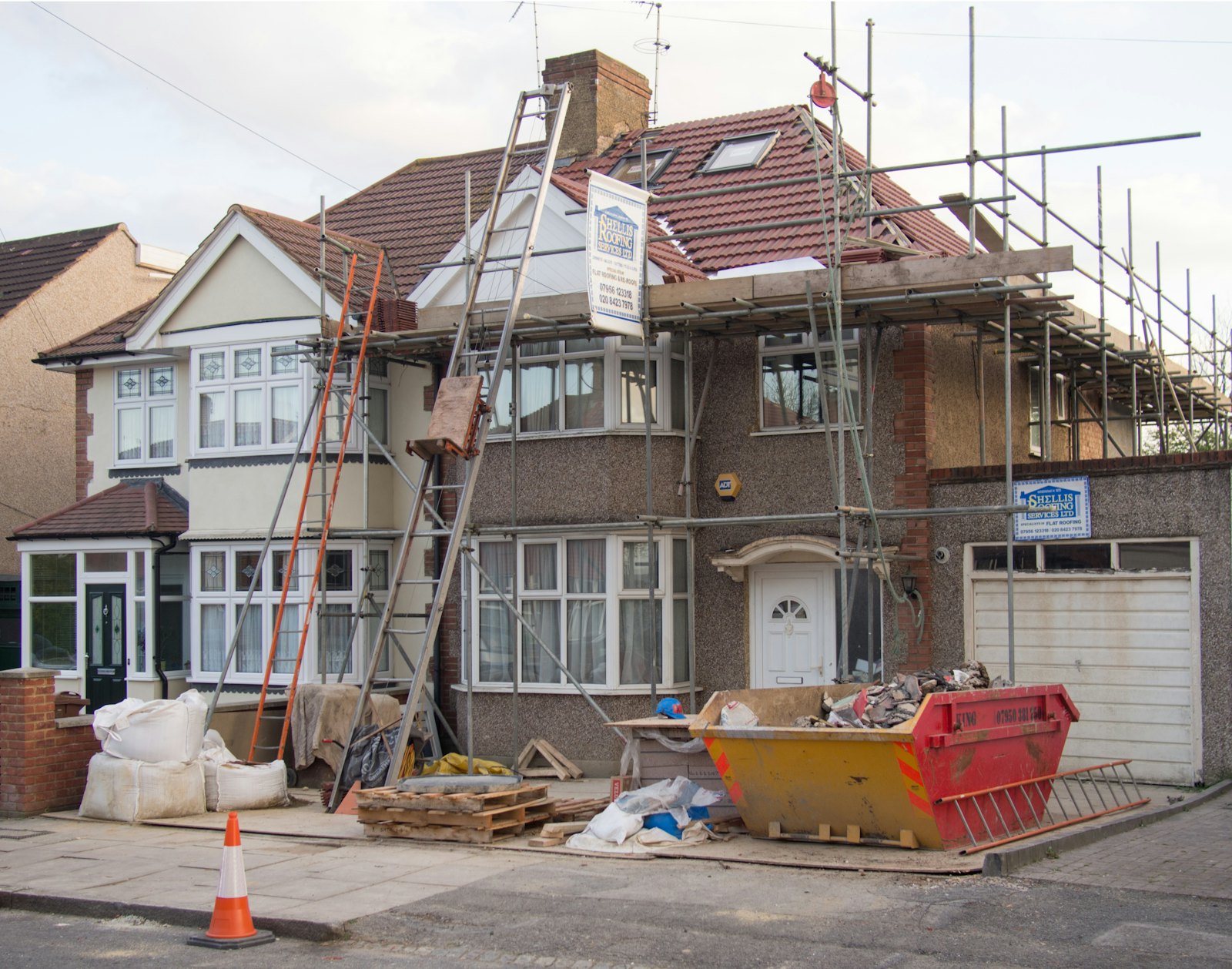
From Victorian cottages near the High Street to 1930s semis, Pinner homes often need updating without losing their charm. We refurbish with care, keeping original details while modernising heating, wiring and layouts.
Typical refurbishment projects in Pinner
- Sensitive refurbishment of period homes
- New kitchens opened into dining rooms
- Restoring original features
We work across Pinner High Street, Pinner Hill, Hatch End, Rayners Lane, Pinner Green and Waxwell Lane. See our builders in Pinner page or our main home refurbishments page for more.
Home refurbishments and Harrow planning
Internal refurbishment in Harrow rarely needs planning permission, though Article 4 directions in several conservation areas mean that changes to front windows, doors, porches and boundary walls can need consent. We check this before ordering anything for the outside of the house, and handle Building Regulations notifications for electrics, heating and structural changes.
If you are unsure which route applies, read our guide to planning permission and permitted development.
What the work involves
A refurbishment can be a single room or a whole house. We begin with a survey of the structure, roof, wiring, plumbing and damp, because what is behind the walls shapes the order of work. Strip out comes first, followed by any structural changes, then rewiring, new heating and plumbing, plastering, joinery, kitchens and bathrooms, and finally decoration and flooring. Because we coordinate every trade ourselves, one team keeps the job moving in the right order.
A full house refurbishment typically takes around 10 to 16 weeks, while a single floor or a few rooms can often be completed in 3 to 6 weeks.
We agree a phased programme at the start, so you know which rooms will be out of use and when. Dust barriers, floor protection and a tidy site at the end of each day make the work easier to live with. Where we find hidden problems, such as failed lintels, old lead pipes or rotten joists, we explain the options and agree any extra cost with you before going ahead.
What affects the cost of a refurbishment in Pinner
Refurbishment costs depend on how much of the house is involved, whether rewiring, replumbing or a new heating system is needed, any structural alterations, the extent of replastering, and the kitchen, bathrooms and finishes you choose. Older houses can hide issues such as failed lintels or old lead pipework, so we survey carefully and set out a written quote with clear allowances.
For more detail, see the right order of works for a renovation.
Homes in Pinner and what suits them
Rayners Lane is famous for 1930s semis, many built by local developers with distinctive gables and leaded windows. Pinner Hill and the roads off Paines Lane have large detached houses in big gardens, while Hatch End has Edwardian and interwar family homes. The streets around the High Street include Victorian cottages and some of the oldest buildings in the borough.
Home refurbishments in nearby areas
Frequently asked questions
Do I need consent to replace windows in Pinner?+
In conservation areas with Article 4 directions, often yes. We check before anything is ordered.
Can we live in the house during a refurbishment?+
For smaller projects, yes. For a full refurbishment with rewiring and new heating, many families move out for part of the job. We will talk through the phasing at the survey so you can plan.